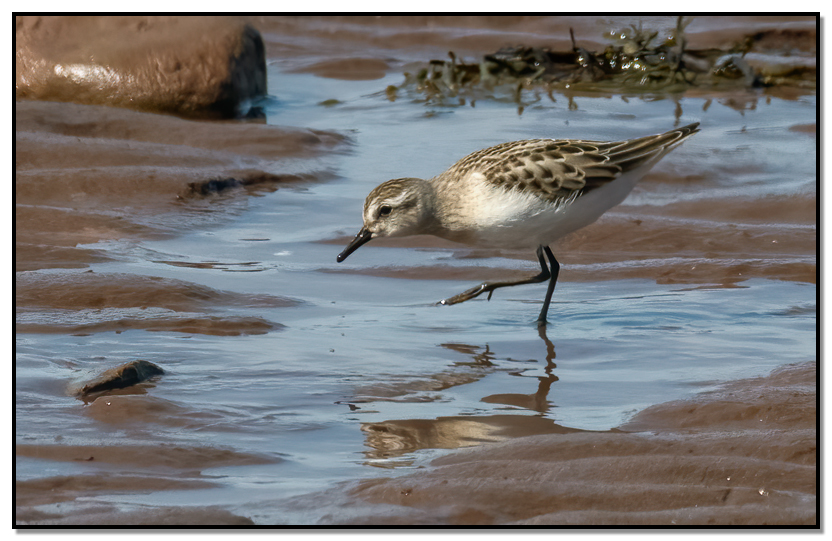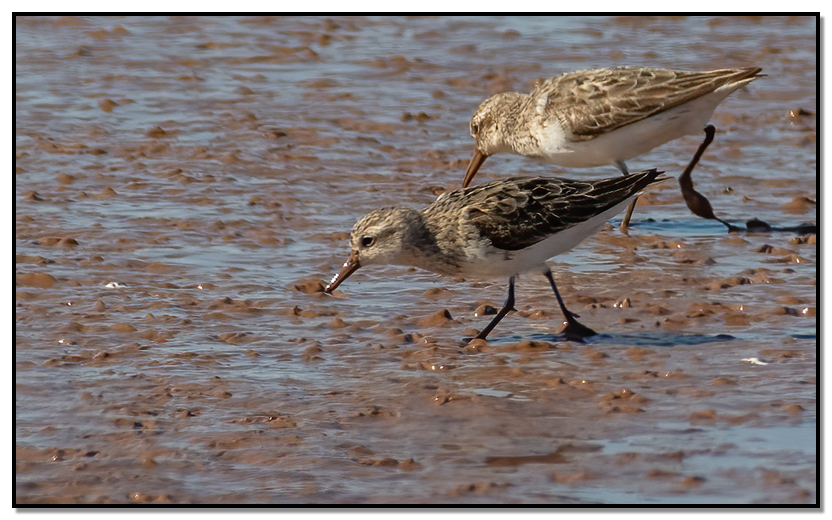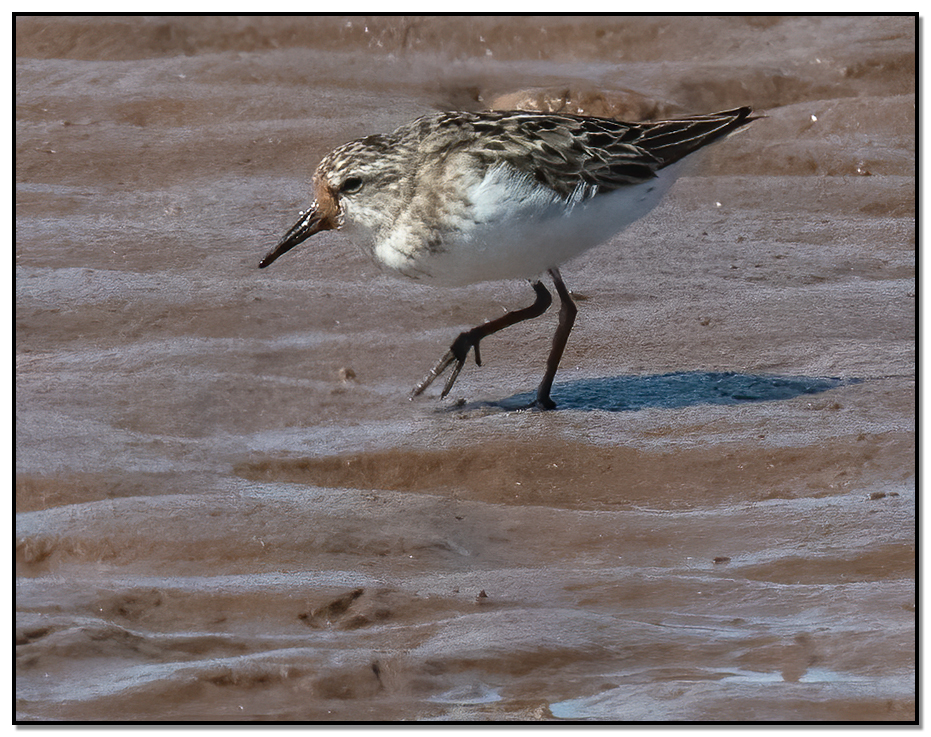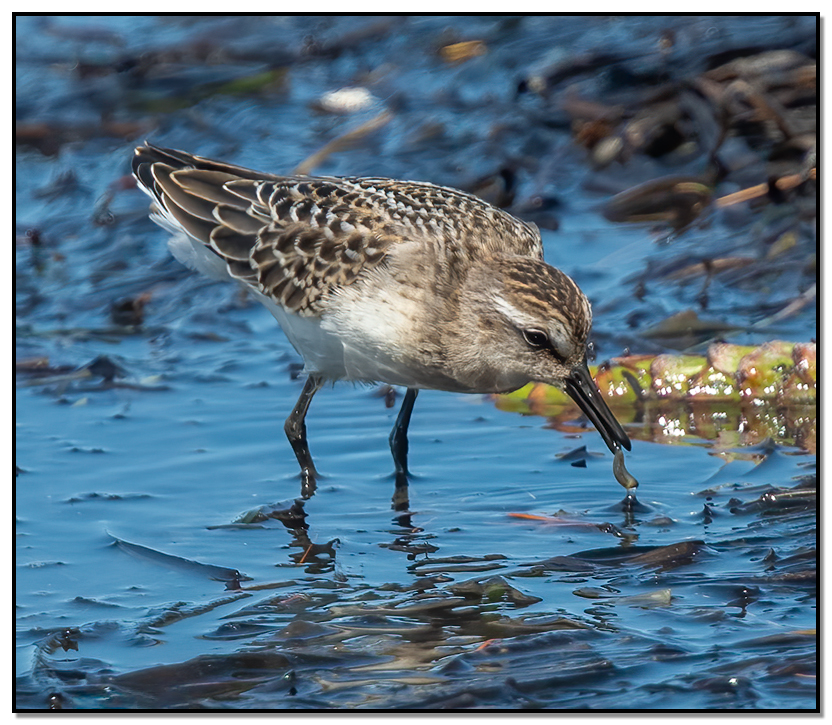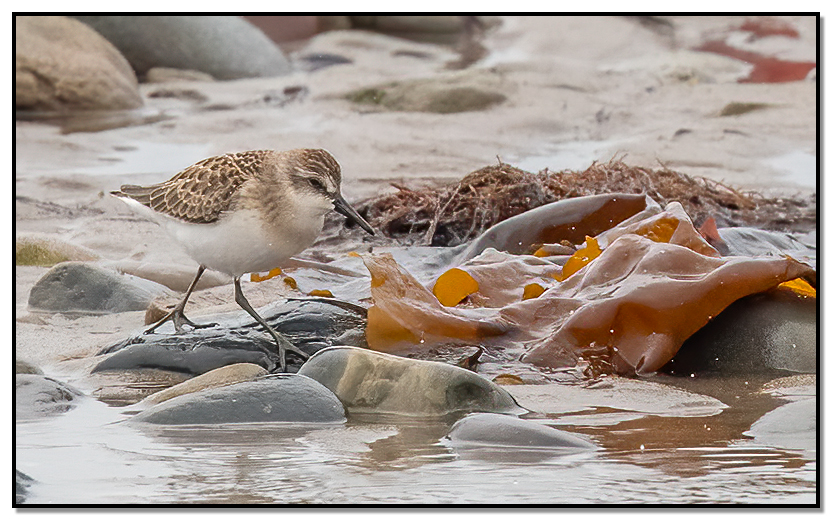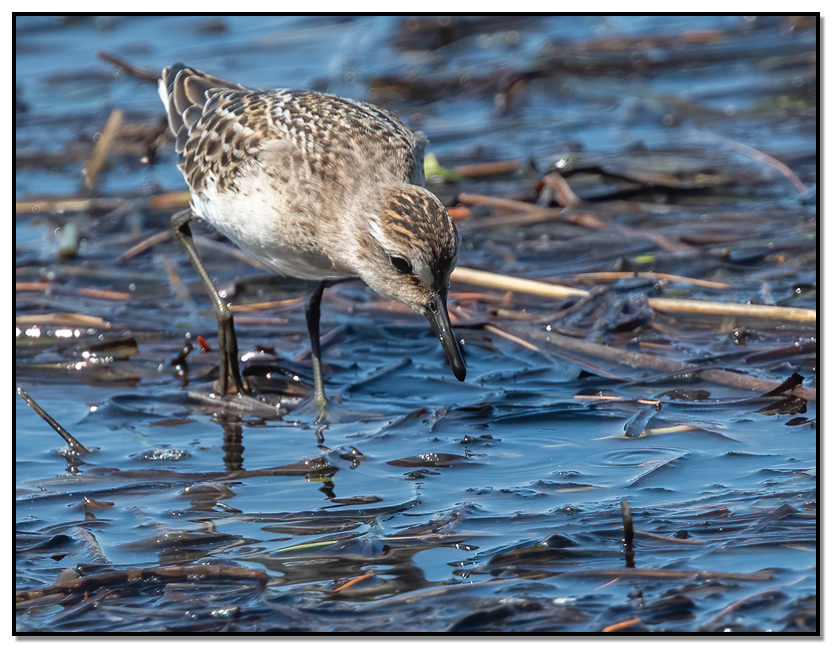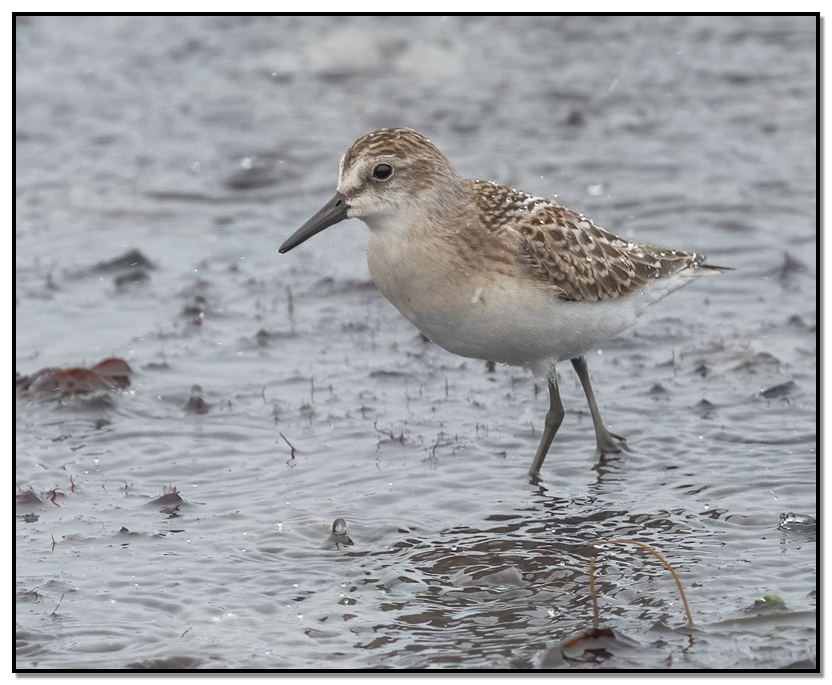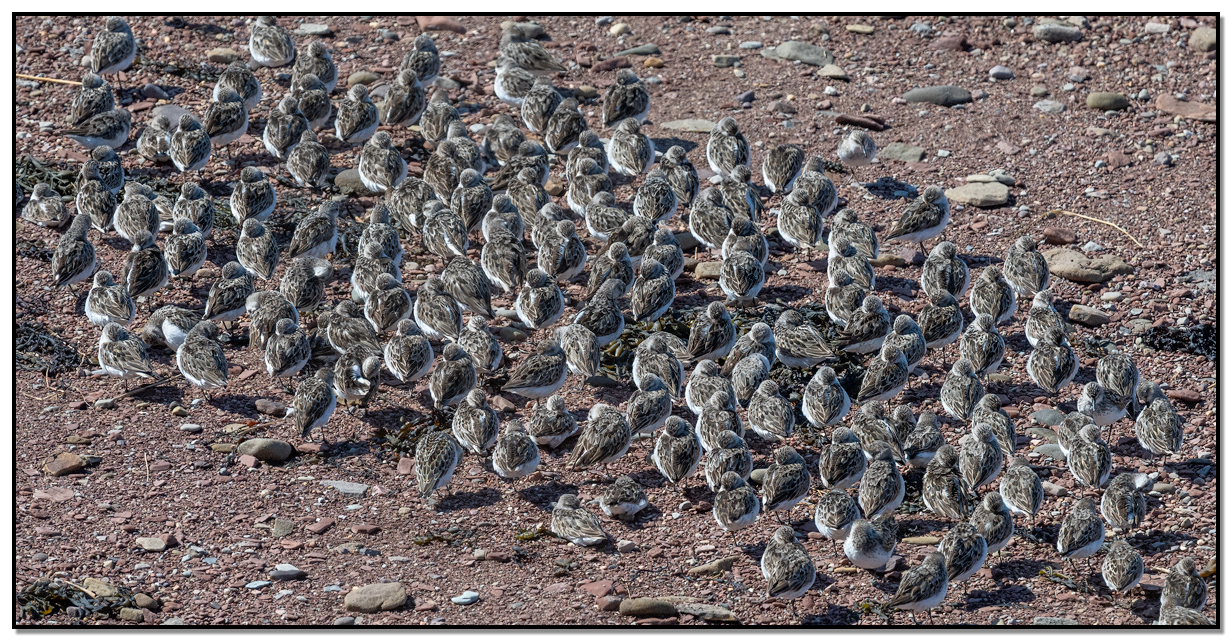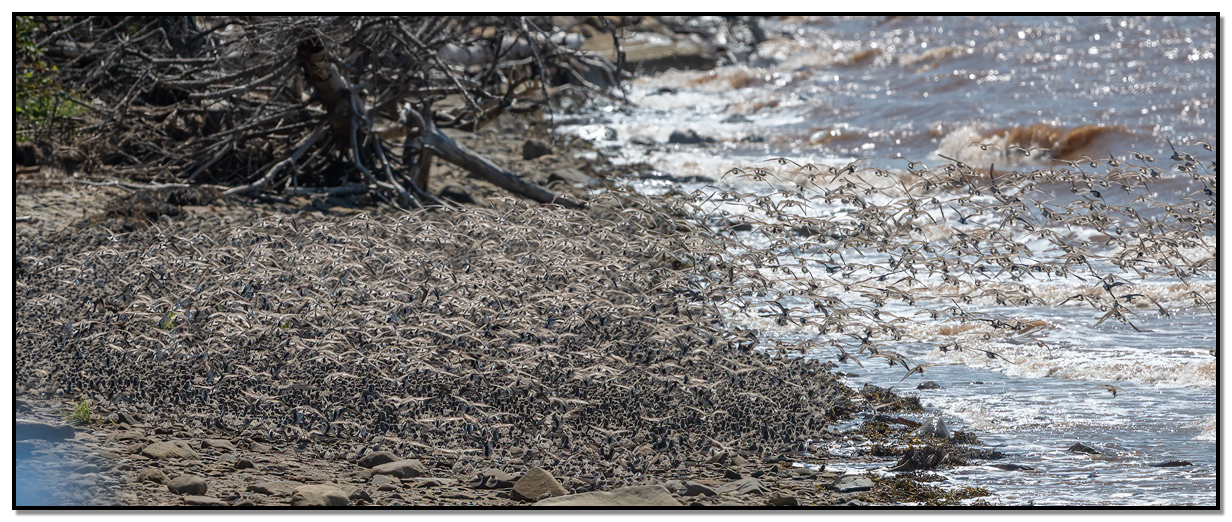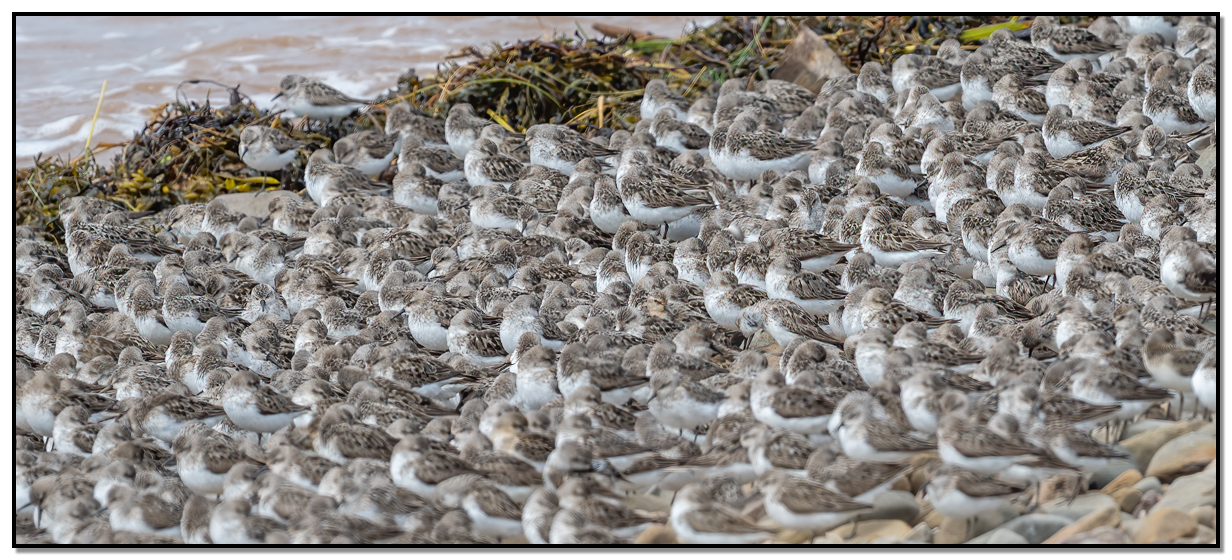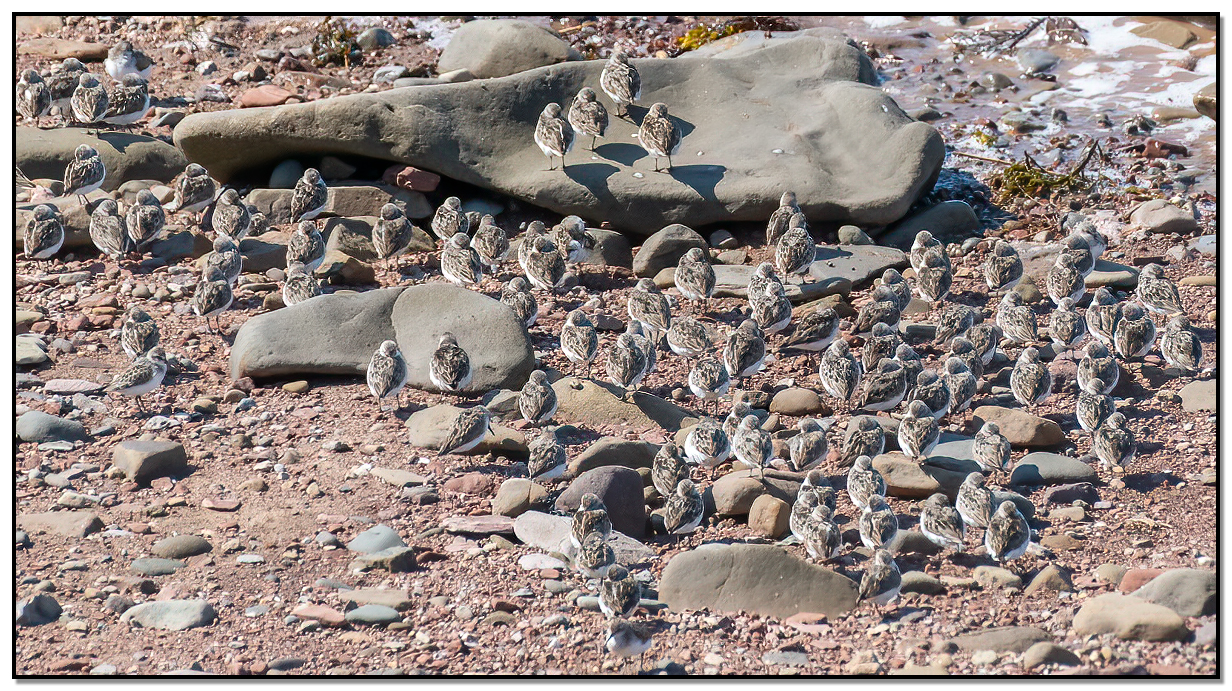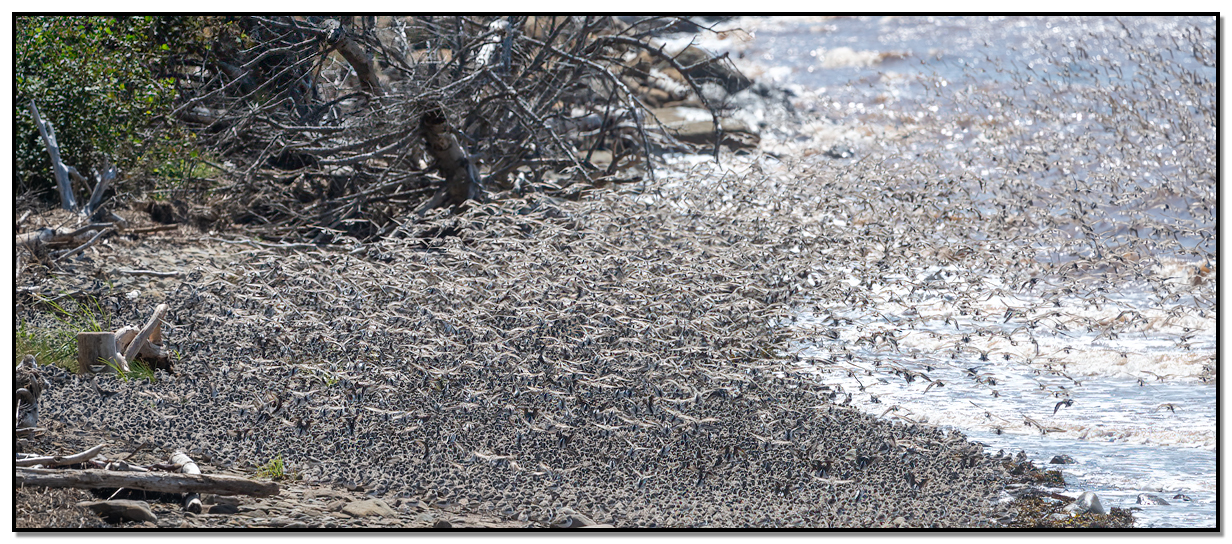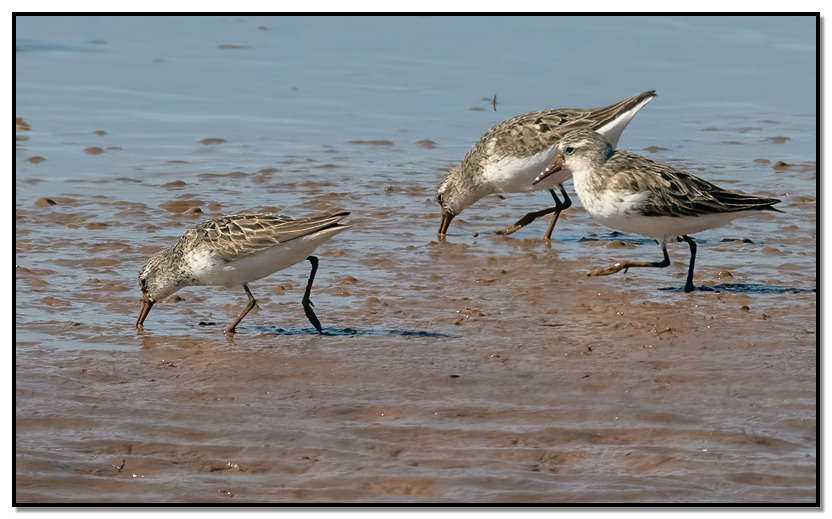
Semipalmated Sandpiper (Calidris pusilla)
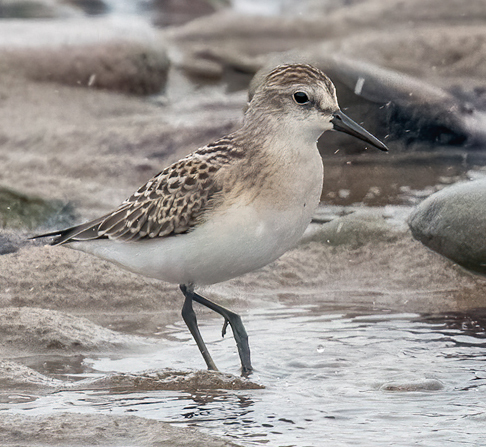
- HABITAT - Semipalmated Sandpipers breed in the Arctic regions of Canada and Alaska and migrate south to wintering areas in Central and South America. They nest on the Arctic tundra, often near ponds and marshes.
- Semipalmated Sandpipers prefer mudflats and exposed shorelines of lakes, shallow marshes and wetland edges. They can also be found on sandy beaches and muddy river margins. In late summer, a good time to search for migrating shorebirds on an areas with exposed mud and shallow water are often more productive than deep-water shorelines. In Spring migration: They move north through
- North America, generally during April and May. In the Fall migration, they pass through parts of eastern North America from July through September, with timing varying by location and age. Some birds from eastern populations probably fly nonstop from New England to South America, a journey of roughly 4,000 km.
- DIET - These birds are almost constantly on the move when feeding. They make rapid pecking and probing movements to capture tiny invertebrates. Their diet includes small crustaceans, insects and their larvae, molluscs and tiny snails, marine worms and other small aquatic organisms.
- FACT: Interestingly, they can feed at night using their sensitive bill tips help them locate prey, while their vision is also important when catching insects near the surface. At the Bay of Fundy, they also feed on microscopic material called biofilm on mudflats.
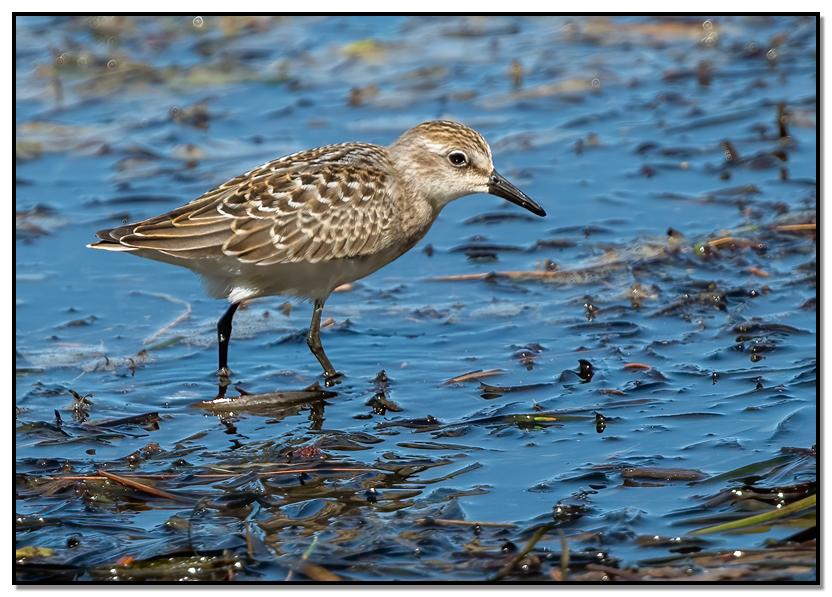
Semipalmated Sandpiper GALLERY
Click Thumbnail for full Image